Ellis Albrecht · 30 October 2026
Shifts in Participant Interaction Patterns Uncovered via Historical Reviews of Collaborative Project Timelines in Digital Workspaces
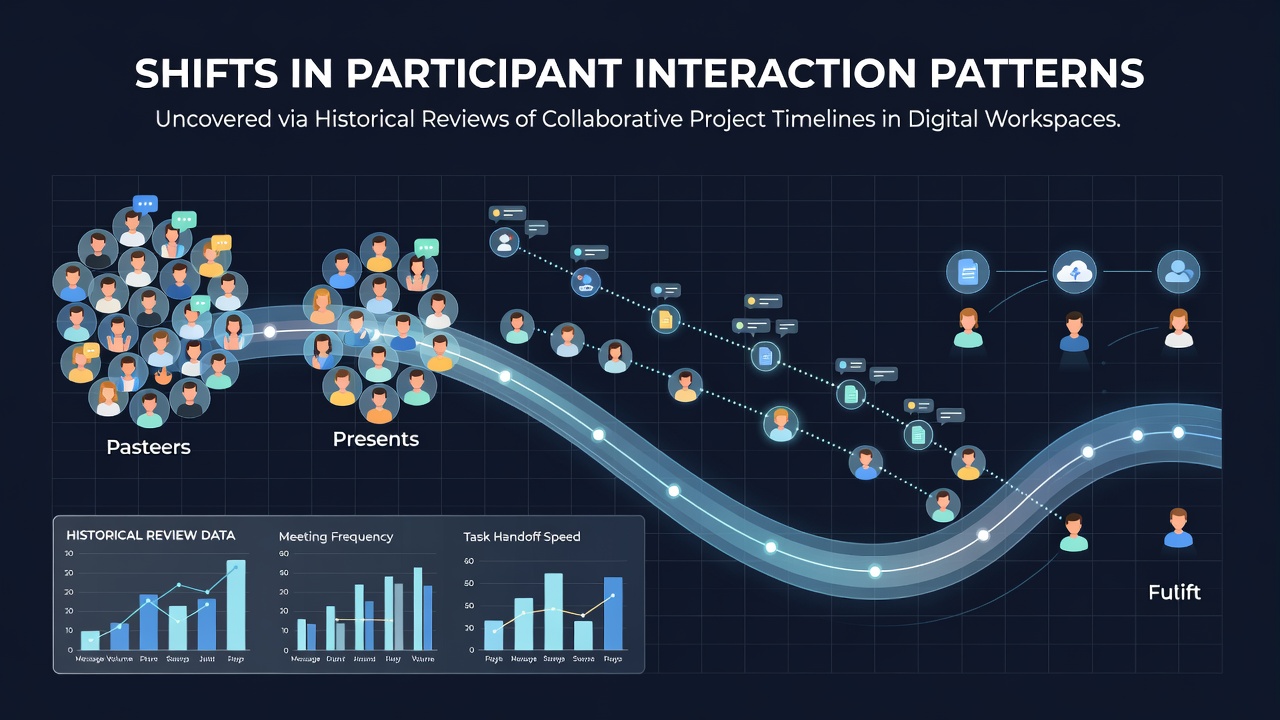
Historical reviews of collaborative project timelines in digital workspaces reveal measurable changes in how participants engage over extended periods, with data drawn from platform logs and archive analyses spanning multiple years. Researchers examining these records note transitions from early reliance on threaded discussions toward more fragmented exchanges that span several tools simultaneously, a pattern documented in multiple industry reports and academic examinations of remote team operations.
Early Patterns in Digital Collaboration Records
Initial timelines from the mid-2010s show concentrated activity within single platforms, where participants contributed updates through sequential posts that built upon prior entries in a linear fashion. Data from these archives indicate average response intervals of several hours between contributions, reflecting work schedules that aligned more closely across teams located in similar time zones. Longitudinal studies of project histories demonstrate that interaction density peaked during scheduled check-ins rather than emerging spontaneously throughout the day.
Reviews of archived timelines further highlight how early digital workspaces recorded fewer cross-references between separate documents and chat channels, with most exchanges remaining self-contained within individual threads. Evidence from platform usage metrics points to a gradual increase in file attachments and link shares as projects progressed, yet these elements appeared primarily as supporting materials rather than central discussion points.
Documented Transitions in Interaction Frequency and Structure
Analyses of project timelines from 2018 onward document a rise in shorter, more frequent exchanges that occur across parallel channels, a shift tracked through timestamp data and participant activity logs. Researchers who reviewed these records found that average message lengths decreased while the total volume of interactions per project increased, particularly in teams distributed across multiple regions. This evolution aligns with broader adoption of notification systems that prompt immediate responses rather than batching communications into longer sessions.
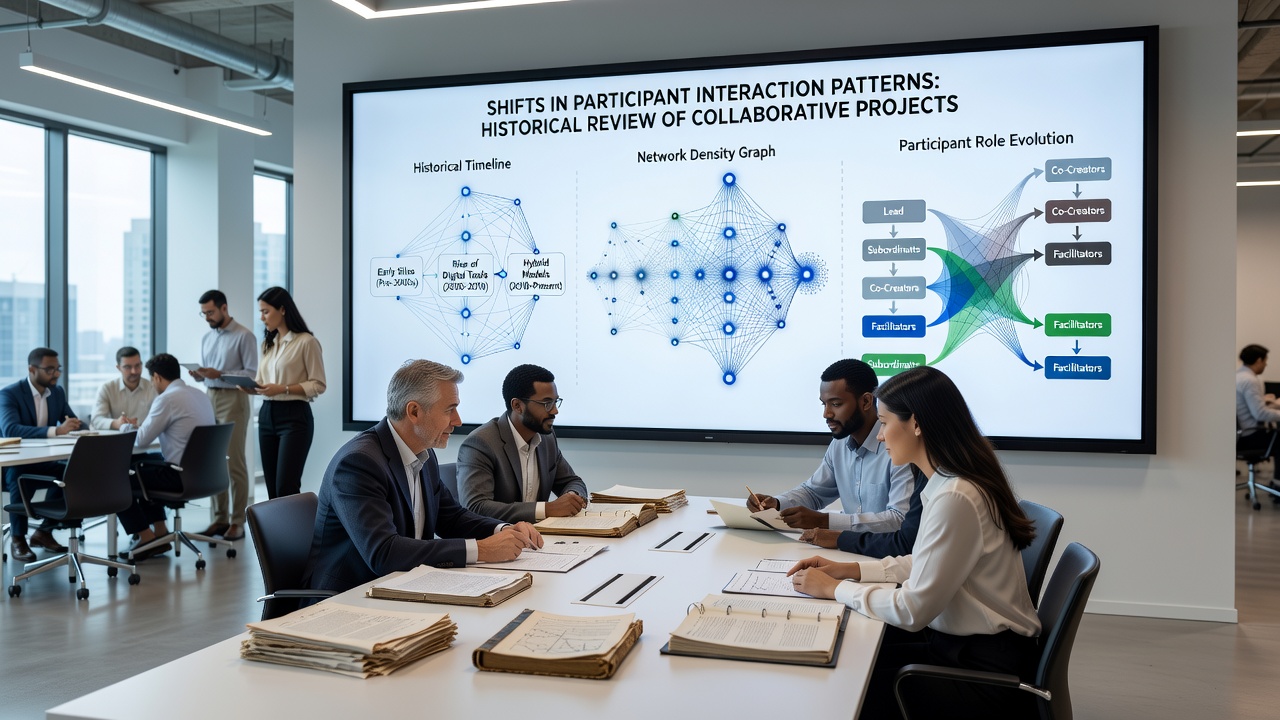
Studies of archived timelines reveal corresponding changes in role distribution, where fewer individuals initiated new threads and more participants contributed brief replies or reactions within existing conversations. Data compiled through 2025 shows this pattern stabilizing in many organizations, though variations persist based on project type and team size. Government statistics from Statistics Canada on remote work arrangements corroborate similar increases in multi-channel activity among distributed teams during the same period.
Regional and Platform-Specific Variations in Timeline Data
Comparative reviews across different digital workspace platforms uncover distinct regional patterns in interaction shifts, with European teams showing earlier adoption of asynchronous documentation practices compared to North American counterparts. An OECD report on digital transformation in workplaces details how these differences manifest in timeline structures, including variations in the timing and depth of contributions across borders. Australian Bureau of Statistics data on workplace technology use further illustrates how geographic factors influence the density and timing of recorded interactions in collaborative archives.
Timelines from projects completed after 2023 frequently incorporate integrated features such as embedded comments within shared documents, reducing the separation between discussion and content creation that characterized earlier records. Historical comparisons demonstrate that these integrations correlate with shorter overall project durations in some cases, though researchers emphasize that causation remains difficult to isolate from other variables like team experience levels.
Analytical Methods Applied to Timeline Archives
Methods for uncovering these shifts typically involve systematic extraction of metadata from digital workspace exports, followed by temporal mapping of interaction types and participant roles. Observers note that such approaches allow identification of recurring sequences, such as clusters of activity around deadline periods or transitions between planning and execution phases. Software tools designed for timeline visualization have facilitated these examinations, enabling clearer identification of deviations from established patterns without requiring manual review of every entry.
Additional layers of analysis incorporate sentiment indicators and keyword tracking across archived exchanges, revealing how language use evolved alongside structural changes in interaction frequency. These techniques applied to datasets extending into October 2026 continue to track ongoing refinements in how participants navigate overlapping tools and notification streams.
Conclusion
Comprehensive reviews of collaborative project timelines provide concrete evidence of evolving interaction patterns in digital workspaces, with documented increases in multi-channel activity and adjustments in contribution styles over time. These findings, drawn from platform archives and supporting statistical sources, offer baseline measurements for future comparisons as workspace technologies advance. Continued examination of such records supports objective tracking of how participant behaviors adapt within distributed team environments.